• Features
  • Videos
  • Podcasts
  • Specials
  • Articles
  • Shorts
Donate
    • English
    • Français
    • Swahili
  • English
  • Español (Spanish)
  • Français (French)
  • Bahasa Indonesia (Indonesian)
  • Brasil (Portuguese)
  • India (English)
  • हिंदी (Hindi)
  • বাংলা (Bengali)
  • Swahili
  • Videos
  • Podcasts
  • Articles
  • Short News
  • Feature Stories
  • The Latest
  • Explore All
  • About
  • Team
  • Contact
  • Donate
  • Subscribe page
  • Submissions
  • Privacy Policy
  • Terms of Use
  • Advertising
  • Wild Madagascar
  • For Kids
  • Mongabay.org
  • Reforestation App
  • Planetary Health Check
  • Conservation Effectiveness
  • Mongabay Data Studio

Latest

The southern greater kudu
Feature story

South Africa’s new gold rush: Big promises, closed books in new carbon frontier

Leonie Joubert 3 Sep 2026

Development banks are backing problematic mineral projects, report finds

Elodie Toto 3 Sep 2026

West Africa’s plan to save its vultures struggles to take flight

Sean Mowbray 3 Sep 2026

Rapid wetland loss and ‘real estate boom’ increasing flood risk in Lagos

Kingsley Charles 2 Sep 2026
Feature story

South Africa’s new gold rush: Spekboom restoration speeds up, but it’s a bumpy road, insiders report

Leonie Joubert 1 Sep 2026

Namibia greenlights controversial project to dredge phosphate from seabed

Jemima Beukes 1 Sep 2026
All news

Top stories

The southern greater kudu

South Africa’s new gold rush: Big promises, closed books in new carbon frontier

The number of cuttings this Hive Ecosystem team manages to plant in a day is dizzying. This project is halfway toward its original goal of planting spekboom across nearly 5,500 hectares (nearly 13,000 acres). Image by Leonie Joubert for Mongabay.

South Africa’s new gold rush: Spekboom restoration speeds up, but it’s a bumpy road, insiders report

Leonie Joubert 1 Sep 2026
Angora goats, which produce mohair. Image © Samantha Reinders.

South Africa’s new gold rush: Big money, high stakes in emerging spekboom restoration sector

Leonie Joubert 27 Aug 2026
A representative image of heavy sand mining site off the coast of Mozambique. Image courtesy of Estacio Valoi.

A ‘leading’ Chinese miner of Mozambique’s heavy sands linked to environmental destruction

Malavika Vyawahare 27 Aug 2026
A colony of Cape Fur seals during a euthanasia attempt of a Cape Fur seal suspected of having rabies at Seal Island in False Bay in Cape Town, South Africa on August 07, 2024. Image by Matrix Images / Nic Bothma.

A deadly cross over: In South Africa, rabies moves from land animals to seals

Nic Bothma 24 Aug 2026

Subscribe

Stay informed with news and inspiration from nature’s frontline.
Newsletter

We’re a nonprofit

Help us tell impactful stories of biodiversity loss, climate change, and more
Donate

News and Inspiration from Nature's Frontline.

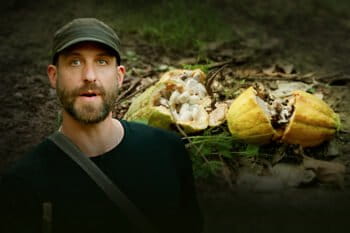
A collage featuring Ashoka Mukpo, a Mongabay reporter, and a cocoa bean
Videos
The southern greater kudu
Articles
Podcasts

Special issues connect the dots between stories

Who controls Indian Ocean tuna?

A whale shark (Rhincodon typus). Image courtesy of Iris Ziegler.

Tuna talks bring wins for Indian Ocean sharks, but more needed, experts say

Malavika Vyawahare 1 May 2025
Yellowfin tuna catch laid out on leaves.

As one Indian Ocean tuna stock faces collapse, nations scramble to save others

Malavika Vyawahare 29 May 2023

Critics allege EU’s ‘toxic collusion’ with fishing lobbies is damaging Indian Ocean tuna

Malavika Vyawahare 7 Feb 2023

‘Watered-down’ plan to save Indian Ocean yellowfin tuna disappoints conservationists

Malavika Vyawahare 17 Jun 2021
Who controls Indian Ocean tuna? series

More specials

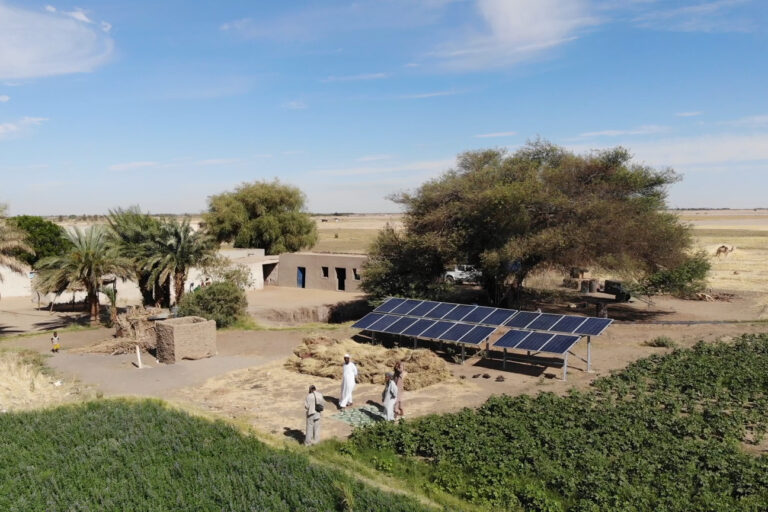
Solar panels in an arid part of Sudan.
9 stories

Negotiating Africa’s Energy Future

5 stories

The Great Insect Crisis

7 stories

Kafue River Transect

Free and open access to credible information

Learn more

Listen to Nature with thought-provoking podcasts

‘Remembering Wildlife' shines a spotlight on the species we risk losing forever

Mike DiGirolamo 18 Aug 2026

Watch unique videos that cut through the noise

A collage featuring Ashoka Mukpo, a Mongabay reporter, and a cocoa bean

Why are forests vanishing in southeastern Liberia?

Collage, Jahëna Louisin, Mongabay reporter, and a Vodun ritual

Vodun's sacred role in saving West Africa’s mangroves

Jahëna Louisin 9 May 2026
Rangers at Gashaka Gumti National Park, Nigeria

Defying conflict to track the world’s rarest chimpanzees

Leo Plunkett, Tom Richards, Sandy Watt 13 Apr 2026
Gold mine in the Dimonika Biosphere Reserve, the Republic of the Congo

What Republic of Congo’s gold rush is leaving behind

Berdy Pambou 17 Sep 2025
Woman farming seaweed at Pemba Island, Tanzania

Building a future from seaweed in coastal Tanzania

Lucia Torres 1 May 2025

We’re a nonprofit

Help us tell impactful stories of biodiversity loss, climate change, and more
Donate

In-depth feature stories reveal context and insight

Dead fish in the Kafue River near the town of Luanshya, Zambia, a day after the tailings dam spill, Feb. 19, 2025. Image by AP Photo/Richard Kille.
Feature story

A mine polluted a Zambian river in 2025: Residents continue to live with the impacts

Victoria Schneider 13 Aug 2026
Street trees shading an asphalt road in Málaga, Spain. While trees are the obvious go-to cooling solution, their upkeep can be expensive.
Feature story

Urban heat islands have solutions; many tropical cities can’t afford them

Adam Litchkofski 13 Aug 2026
Tigers in Rajasthan, India. The country is a stronghold of wild tigers, and the report found that most of the wild tigers smuggled into Cambodia came from India.
Feature story

Report reveals Cambodia’s appetite for tigers, rhinos and other endangered wildlife

Spoorthy Raman 21 Jul 2026
Packaging cocoa beans in Grand Gedeh, Liberia. Photo by Ashoka Mukpo for Mongabay.
Feature story

The vanishing forests on Liberia’s cocoa frontier

Ashoka Mukpo 16 Jul 2026

Quickly stay updated with our news shorts

Development banks are backing problematic mineral projects, report finds

Elodie Toto 3 Sep 2026
“Development bank-backed transition minerals projects are frequently associated with significant environmental, social, and human rights risks.” This is the conclusion of the latest report by the International Accountability Project (IAP), an international advocacy organization. IAP analyzed 77 projects globally, approved between 2023 and 2025. The analysis resulted in the Transition Minerals Finance Tracker, an interactive online database documenting transition minerals projects. It reveals that more than half of the projects analyzed, and nearly three-quarters of African projects, show evidence of actual, probable or potential harm to local communities. “There are many companies that are multinational mining corporations who have a very bad track record in terms of human rights, yet they do get loans from the development banks,” Vaishnavi Varadarajan, program coordinator at IAP, told Mongabay in a phone interview. “It is raising the question of the due diligence that is being done by the banks beforehand.” Since the Paris Agreement in 2015, a growing number of countries are investing in renewable energy sources such as solar and wind power as well as electric vehicles to limit their greenhouse gas emissions. Such technologies require components made from minerals and rare earth elements that are often found in the Global South and shipped to the Global North for value-added processing, Varadarajan said. “[I]t is kind of reinforcing a colonial way of extraction.” The report denounces an unfair transition, in which countries financing extraction reap most of the economic benefits, while countries where raw materials are located face water depletion and contamination, forced displacements, deforestation, criminalization of land and environmental defenders, and human rights violations. Elias Jika, program coordinator for Africa at the IAP, told Mongabay that many projects “started out with like ‘Oh, let's end poverty!‘ But at the end of the day, the motivations of most development banks are profit-related.” “We are fighting for them to put safeguards in place, to require government social impact studies to be done, to require mitigation measures,” Jika added. Among the projects financed in Sub-Saharan Africa, three-quarters are for extracting cobalt copper and nickel, which are all used for renewable energy. Roughly 44% are with support from the U.S. International Development Finance Corporation (DFC), the American development bank. “The DFC has over time increased its presence and interest in the African region. As you know China owns the majority of transition mineral projects, they dominate the market. The U.S. government is trying to compete with China. So, banks like the DFC and the IFC [International Finance Corporation — part of the World Bank Group] are increasingly financing transition mineral projects,” Jika said. Mongabay contacted the DFC to learn more but did not receive a response by the time of publication. Banner image: of destroyed crops along the Chambishi Stream in Zambia after a mining spill. Image courtesy of Southern Africa Litigation Center.
Destroyed crops along the Chambishi Stream after the Sino-Metals Leach Zambia tailings spill, taken around 6 March 2025. Image courtesy of Southern Africa Litigation Center.

Rapid wetland loss and ‘real estate boom’ increasing flood risk in Lagos

Kingsley Charles 2 Sep 2026
In July, following relentless bursts of rainfall, flash floods covered pockets of Lagos, disrupting commerce and traffic in Nigeria's commercial capital. Experts have found that the city now faces increased flood risk due to human-induced climate change. Other recent studies have identified another common factor exacerbating flooding risk in Lagos: rapid urbanization. In a study published in June, for example, a team of researchers examined satellite images of Lekki, a densely populated Lagos district, from 2015 to 2025. Their analysis showed that vegetation cover in the neighborhood had decreased by 13% in the last 10 years, while water bodies had reduced by 6%. Meanwhile, within the same timeline, settlements had risen by 10% on natural land cover, which was “causing an increase in flooding events in the area,” the authors concluded.   The study is the latest in a series of investigations linking worsening flooding across Nigeria's coastal cities to eroding wetlands. A study published in February found that between 1984 and 2023, areas with buildings and infrastructure in Lagos expanded by 38%. Meanwhile, forest cover had declined by 32% and water bodies reduced by 11%, “reducing the natural flood buffering capacity of Lagos Megacity,” the authors wrote. With the persisting loss of vegetation and wetlands, the authors predicted, more than 60% of Lagos’ urban areas will be affected by extreme flooding by 2050. Mark Ofua, the West Africa representative for Wild Africa, a conservation nonprofit, said that a real estate boom was to blame for the increasing ecological loss. “Lagos was historically surrounded by extensive wetlands and mangroves, but everywhere you turn now, especially around the suburbs, there's land reclamation and construction going on.”   Meanwhile, a recent analysis by World Weather Attribution, a network of global scientists who analyze extreme weather events, concluded that the sprawling expansion of housing and development on wetlands, which soak up excess rainwater, puts low-lying coastal cities like Lagos at a high risk of flooding. In May, Nigeria’s National Emergency Management Agency issued a flood alert for 15 Lagos communities likely to face flash floods between July and September, typically the peak of Nigeria's rainy season. While the impacts of floods on the people living in Lagos are well documented, far less understood is how flooding affects the city’s biodiversity. There have been some sporadic reports of wildlife deaths. In 2024, for instance, more than 80% of wildlife, including snakes and birds, reportedly fled from a zoo in northern Nigeria after heavy flooding. The zoo managers were later alerted to an ostrich seen strutting around a neighborhood in a viral clip. To control future flooding, Ofua said tougher enforcement on wetland encroachment is crucial. “The government has to declare these areas as protected and stop more companies from land reclamation. We have to move from lip service to action,” he said.   Banner image: Commuters wade through heavy floodwater after a downpour in Lagos. Image courtesy of Folakemi Olaoni.
Commuters wade through heavy floodwater after a downpour in Lagos. Image courtesy of Folakemi Olaoni.

‘Devastating’ rush for critical minerals has little to do with green energy: Report

Victoria Schneider 27 Aug 2026
A new report published by U.S.-based think tank the Oakland Institute warns that the rush for critical minerals comes with massive implications for the world, especially African countries. The report, “RUSH: Global Scramble for Minerals Wages War on People and Planet,” challenges the popular narrative that an expansion of mining operations is necessary for the global green energy transition. “The intensification of mineral extraction has already had devastating consequences around the world, destroying land, livelihoods, and waters,” Oakland Institute policy director Frederic Mousseau told Mongabay in an email. He added the projected expansion of mining to meet global mineral demands will only perpetuate this devastation. Global demand for critical minerals is projected to increase drastically over the next two to three decades. Between 2000 and 2024, nickel production rose by 187%, rare earth extraction by 329%, and lithium production by 1,602%. According to projections by the International Energy Agency, demand for six key minerals — copper, graphite, lithium, cobalt, rare earth elements, and nickel — will further skyrocket in the coming decades. The IEA forecasts that total mineral demand from clean energy technologies will at least double by 2040. However, the Oakland Institute report found that currently, most of the critical minerals produced end up in industries unrelated to the green energy transition. Solar, wind, battery storage, and power networks for renewables together make up around a fifth of the demand, while defense and aerospace, conventional transport, AI data centers, and construction account for the rest. In Africa, home to 30% of the world's known mineral reserves, the stakes are particularly high. Currently, the continent’s mineral-producing countries process less than 15% of their mineral output domestically. Most of the value-added processing takes place outside the country, though some governments are pursuing more local processing and industrialization. However, one of the questions the report raises is whether the increase in control over mining and processing will actually lead to more value generation for local communities and create jobs on the ground. “Where will equity be if extraction takes place against the will of the people living on the land that is destroyed, drinking water that is contaminated, and breathing toxic air,” Mousseau asked. He pointed to Zambia and the Democratic Republic of Congo as two countries that illustrate the risks of intensifying extraction on the continent. In Zambia, copper mines consume more than half of the country’s electricity, while only 43% of households are connected to the national grid. According to the report, in the DRC, mining operations consume more than 60% of generated electricity, while less than a fifth of the population has access to electricity. “The plan is to massively expand copper and cobalt mining in countries where decades of extraction have translated into land grabbing, massive pollution of waterways, and destruction of livelihoods,” Mousseau said. Banner image: The price paid for cobalt is the main determinant of artisanal miners’ incomes and livelihoods. Image by Afrewatch 2020/The International Institute for Environment and Development via Flickr (CC BY-NC-ND 2.0.)

Kenya’s clothing waste raises concerns about potential public health risks

Ouma Elvine Tina 26 Aug 2026
Kenya's secondhand clothing trade, locally known as mitumba, clothes millions of people and supports an estimated 2 million livelihoods, making it one of Africa's largest markets for used garments. That makes Kenya a useful lens for understanding the growing global public health problems associated with textile waste disguised as reusable clothing. More than 4.5 billion used garments are shipped to Africa each year, according to a recent letter published in Science. Many end up in dumpsites or are burned when local sorting systems are overwhelmed. The researchers argue that discarded textile waste can become reservoirs for harmful bacteria, including Escherichia (which includes E. coli) and Klebsiella. These bacteria are linked to illnesses ranging from diarrheal disease and urinary tract infections to pneumonia, bloodstream infections and, in severe cases, life-threatening sepsis. A growing body of research links health risks with textile waste. A recent review found that discarded textiles can harbor pathogenic microorganisms and antimicrobial-resistant genes. Another study showed that microplastics released from degrading synthetic textiles can transport pathogens and toxic chemicals through the environment. Recent reporting by Mongabay highlighted evidence that microplastic pollution may contribute to the spread of antibiotic resistance. For Kenya, the enormous scale of the secondhand clothing trade is at the root of the problem. A 2023 report estimates that Nairobi’s largest dumpsite receives roughly 86 metric tons of textile waste each day. Once discarded, synthetic textiles can fragment into microplastics that pollute both the air and waterways. To combat the problem, the authors of the Science letter call for stricter enforcement of international environmental laws, tighter quality controls before export and greater investment in waste management and recycling infrastructure in importing countries. They also recommend a more rigorous international definition of "used goods" to close legal loopholes that allow waste trafficking. "It is critical to consider the potential risks, including bacterial contamination," Ebenezer Amadi, a senior program manager at Bopinc, told Mongabay in a WhatsApp conversation. "However, this can be addressed through inspection and appropriate controls at the point of entry." Kenya has started to address the textile waste problem with its Sustainable Waste Management Act, which promotes waste reduction, recycling and extended producer responsibility (EPR), but the researchers argue that importing countries cannot shoulder the burden alone. According to Akshay Shah, the outgoing board chair of the Kenya Extended Producer Responsibility Organization, a concrete step forward would be for the textile import sector to form its own EPR mechanism. "The retailer that ultimately benefits from the textile to sell to consumers will need to be liable to pay the EPR fee.” That fee can then flow back to the waste pickers and recyclers who process the material. Without stronger oversight by exporting nations, the Science letter’s authors warn, the environmental and public health costs of the world's discarded clothing will continue to fall disproportionately on African countries. Banner image: A woman displays her wares for sale at a market in Nairobi. Image by Biva2017 via Wikimedia Commons (CC BY-SA 4.0).

Kenyan investigators arrest 4 people linked to 18 Amboseli elephant deaths

Lynet Otieno 26 Aug 2026
At least four suspects have been arrested in connection with the deaths of 18 elephants in the Amboseli ecosystem in southern Kenya, near the border with Tanzania. Preliminary investigations by a multiagency team suggest poisoning from agricultural pesticides, authorities say. In July, 16 elephants were found dead at Kimana Sanctuary and Kuku Group Ranch in the Amboseli ecosystem. The death toll rose to 18 in August, after two more elephant carcasses were found in Kitenden B reserve, near the Amboseli National Park. On Aug. 21, Kenya Wildlife Service’s (KWS) communication director Duncan Wanyama told Mongabay by phone that another elephant was in critical condition in Amboseli and under close watch by animal experts. The KWS has previously said that most of the elephants found dead were female and their calves. Investigations have led to the recovery of substances, including chemicals that are potentially toxic, and “unlabelled materials”, which have been secured for further scientific analysis, Kenya’s Cabinet Secretary for Tourism and Wildlife Rebecca Miano said in a statement seen by Mongabay. “Although the investigations remain active, the arrest of persons of interest and the recovery of exhibits do not in themselves establish criminal culpability,” she said. Miano added that a suspect believed to have crucial information about the killings of the elephants was still at large. Initial investigations indicated that the elephants died after ingesting a toxic substance, with laboratory tests pointing to cyanide. The elephants were thought to have come into contact with the chemical in pesticides sprayed on tomatoes in nearby farms, although Miano said this is yet to be scientifically proven. Farmers from the area have refuted the allegation and told the Associated Press on Aug. 7 that the communities there have long coexisted with elephants. Kenya-based conservation NGO WildlifeDirect has sought more independent and transparent investigations. “The reported deaths … are a warning that Kenya’s pesticide governance, regulatory oversight, and enforcement systems require urgent reform,” Paula Kahumbu, WildlifeDirect’s CEO, said in a statement when the death of the first 15 elephants was announced. “If toxic chemicals are capable of entering crops consumed by elephants, we must ask whether farmers, farm workers, neighbouring communities, livestock, and consumers are being adequately protected.” A multi-government-agency team has been investigating the matter, including within the community that lives adjacent to the national park. Miano commended the local communities for their “vigilance and cooperation during these investigations”. “Their readiness to share information and support the multi-agency operation demonstrates that communities are not passive beneficiaries of conservation, but indispensable partners and the primary guardians of Kenya's wildlife heritage,” she said. Miano called for cross-border collaboration to ensure the safety of the animals that move freely between Kenya and Tanzania and promised a sustained probe until the truth about the jumbos’ deaths is established. Banner image: A Kenya Wildlife Service team rescued this elephant that was stuck in the mud in Muchuro, Isiolo County, on Aug. 22, 2026. Image courtesy of KWS.
A Kenya Wildlife Service team rescued this elephant that was stuck in the mud in Muchuro, Isiolo County, on Aug. 22, 2026. Image courtesy of KWS.

Congo's Ebola outbreak records one of its highest weekly death tolls yet

Associated Press 25 Aug 2026
BUNIA, Congo (AP) — More than 300 people died of Ebola in eastern Congo in the past week, one of the highest weekly tolls yet, government data showed Monday, as health workers struggle to catch up with an outbreak that is spreading at unprecedented speed. Ministry of Health data showed that as of Saturday, the outbreak had recorded 5,514 cases and 2,642 deaths, including 317 deaths reported in the previous seven days. But Congolese experts have said the outbreak that started weeks before it was confirmed could be three times the known size. This is the fastest-growing Ebola outbreak in history, with many people dying outside treatment centers. It has recorded seven times more deaths at this stage than the 2014-2016 West Africa Ebola outbreak that is the deadliest in history with over 11,000 in all. Most new cases in Ituri province, the current epicenter, still come from outside monitored contacts. Nearly half of people infected have died — 47.9% — but the government data shows much higher rates in hard-to-reach areas such as North Kivu province, which has a fatality rate of 68.6%.

Frontline workers to receive vaccine used in past outbreaks

A key challenge has been the lack of approved vaccines or treatments for the rare Bundibugyo virus responsible for the outbreak. On Friday, Congo received more than 16,000 doses of the Ervebo vaccine that was effective in past Ebola outbreaks caused by a different, more common type. The World Health Organization says it also will be used in clinical trials for a Bundibugyo virus vaccine. WHO says it’s not known whether Ervebo can protect against the Bundibugyo virus, although early laboratory and animal data suggest it may offer some protection. Officials have not said when the vaccine will be rolled out to frontline workers. In Ituri, locals expressed optimism that it will help slow the outbreak. “I am very pleased that these vaccines have finally arrived,” said Héritier Ramazani, a resident. “We are fed up with recording new cases of Ebola every day.” The outbreak is unfolding in some of the most challenging conditions imaginable, with rebel threats and intense population movements. Medical teams in Ituri and other affected provinces also face work stoppages by responders who haven’t been paid, anger from long-traumatized communities, bad roads and misinformation claiming that Ebola isn’t real. Experts believe the virus was spreading in the mining town of Mongbwalu as early as February, months before authorities declared the outbreak on May 15. By Associated Press Banner image: People dressed in protective gear unload a coffin containing the remains of six-year-old Baudjo Baraka Jules, who died of Ebola, for a burial service in Bunia, Ituri province, eastern Congo, Tuesday, Aug. 18, 2026. Image courtesy of Dieudonne Dirole, Associated Press. 

Share Short Read Full Article

Share this short

If you liked this story, share it with other people.

Facebook Linkedin Threads Whatsapp Reddit Email

Subscribe

Stay informed with news and inspiration from nature’s frontline.
Newsletter

News formats

  • Videos
  • Podcasts
  • Articles
  • Specials
  • Shorts
  • Features
  • The Latest

About

  • About
  • Contact
  • Donate
  • Impacts
  • Newsletters
  • Submissions
  • Terms of Use

External links

  • Wild Madagascar
  • For Kids
  • Mongabay.org
  • Reforestation App
  • Planetary Health Check
  • Conservation Effectiveness
  • Mongabay Data Studio

Social media

  • LinkedIn
  • Instagram
  • Youtube
  • X
  • Facebook
  • Tiktok
  • Reddit
  • BlueSky
  • Mastodon
  • Android App
  • Apple News
  • RSS / XML

© 2026 Copyright Conservation news. Mongabay is a U.S.-based non-profit conservation and environmental science news platform. Our EIN or tax ID is 45-3714703.